


.webp)


The Metropolis Tavern
House of Ponomarev and Kiseleva with Shops,
Mid-19th Century
Cultural Heritage Site
of Regional Significance
19th Century

History
The Staraya Russa resort was opened in the 19th century and became known as the “Russian Baden-Baden.”
As early as 1854, Staraya Russa became a favorite destination of the Russian aristocracy. Members
of the imperial family came here for treatment,
as did representatives of the creative intelligentsia.
In 1904, Konstantin Stanislavsky and Maxim Gorky visited the resort.The place was also dearly loved by F. M. Dostoevsky. “My own nest” — this is how affectionately
the great author referred to his house in Staraya Russa.
Here he wrote chapters of The Brothers Karamazov —
a novel about Staraya Russa and its inhabitants. Staraya Russa became the prototype for the fictional town
of Skotoprigonyevsk, where the storyline of the novel unfolds. To this day, places described in the novel have been preserved in the city. One of these places
is the House of Ponomarev and Kiseleva with Shops.

In Fyodor Mikhailovich Dostoevsky’s novel,
the Metropolis tavern is mentioned several times and is connected with important episodes in the Karamazov storyline. Smerdyakov directs Alyosha there, identifying the place: “The Metropolis tavern
in the market-place?” This is where Ivan
and Alyosha meet, and where
one of the novel’s key philosophical conversations unfolds.

Concept
The history of Staraya Russa as a resort town, the city’s connection with F. M. Dostoevsky, and the image
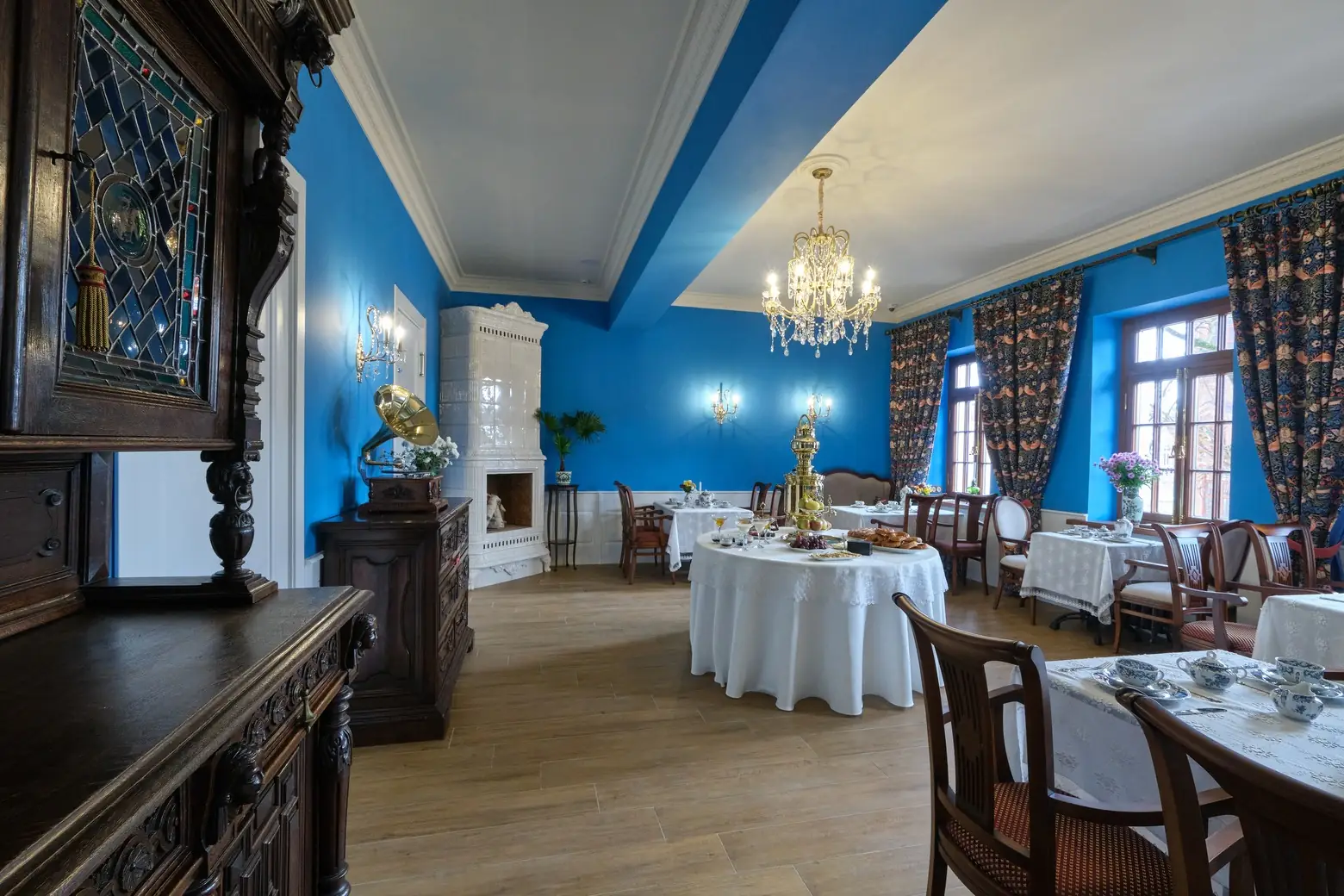
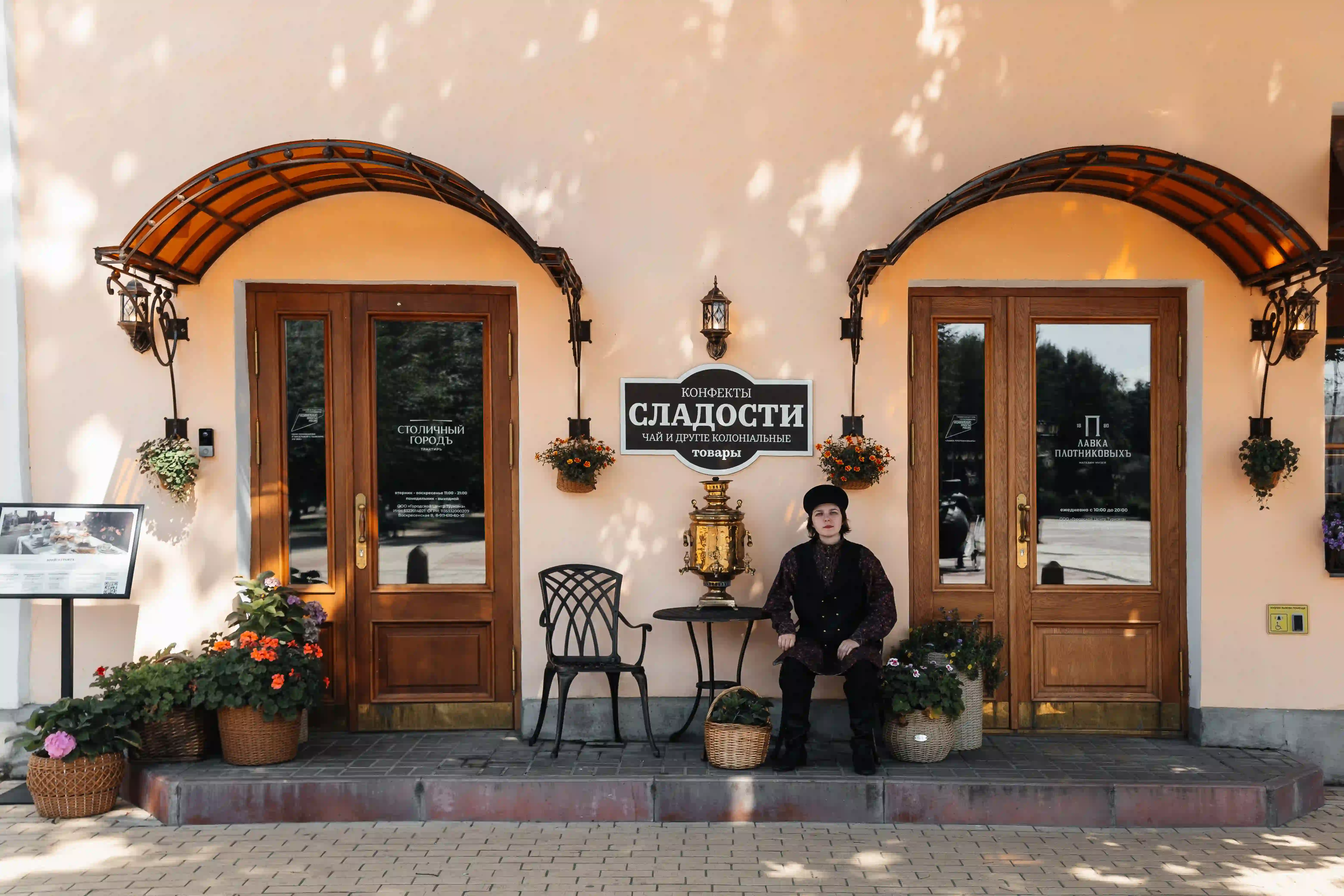
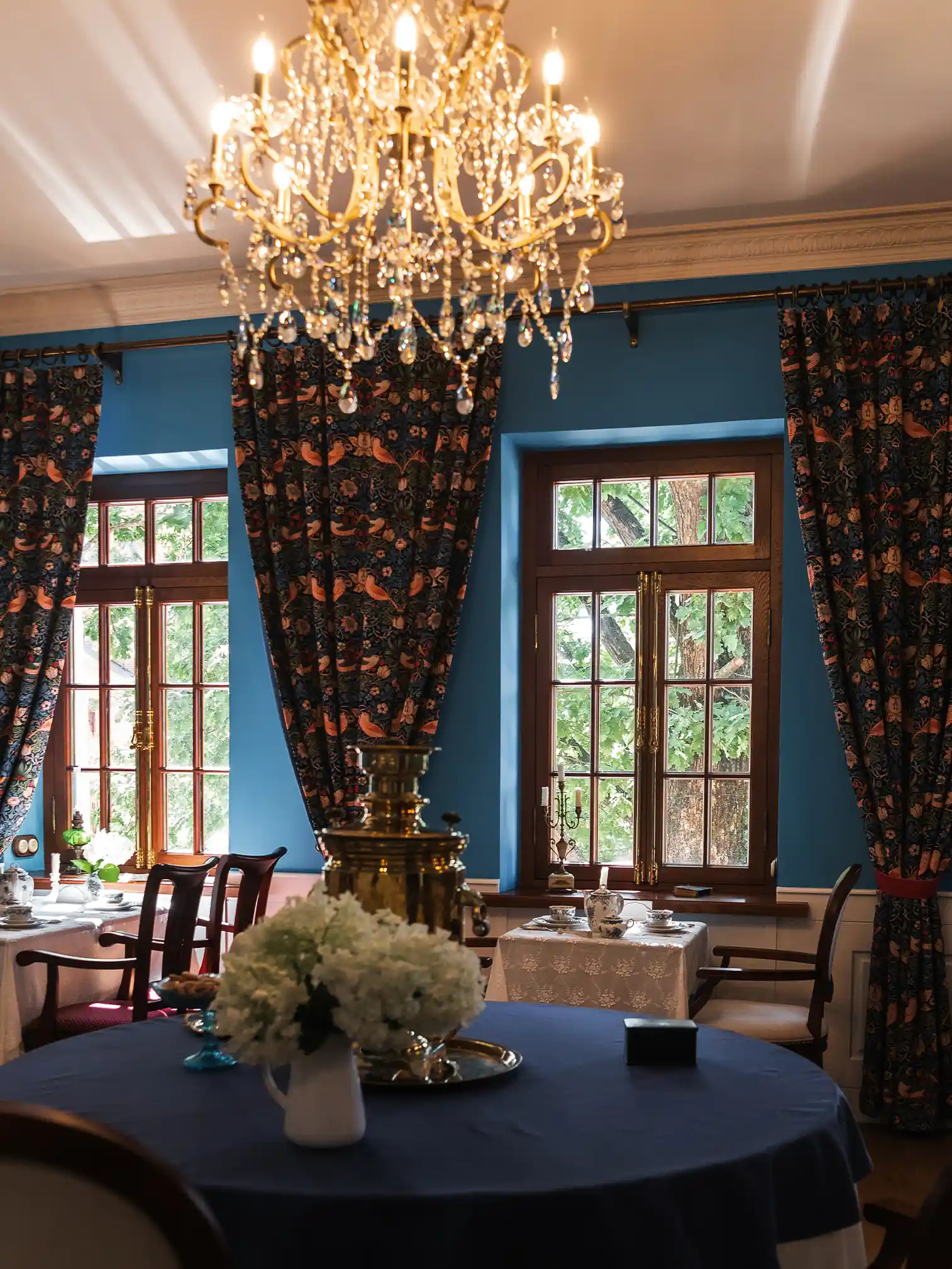
of the Metropolis tavern from the novel The Brothers Karamazov formed the basis of the bureau’s second project in the Ponomarev and Kiseleva House with Shops. Next door to the Plotnikovs’ Grocery Store, the Metropolis tavern Gastronomic Museum was created — an intimate café with a museum narrative, immersing visitors
in the atmosphere of merchant Staraya Russa
of the late 19th and early 20th centuries.
2023 – 2024
design and implementation period
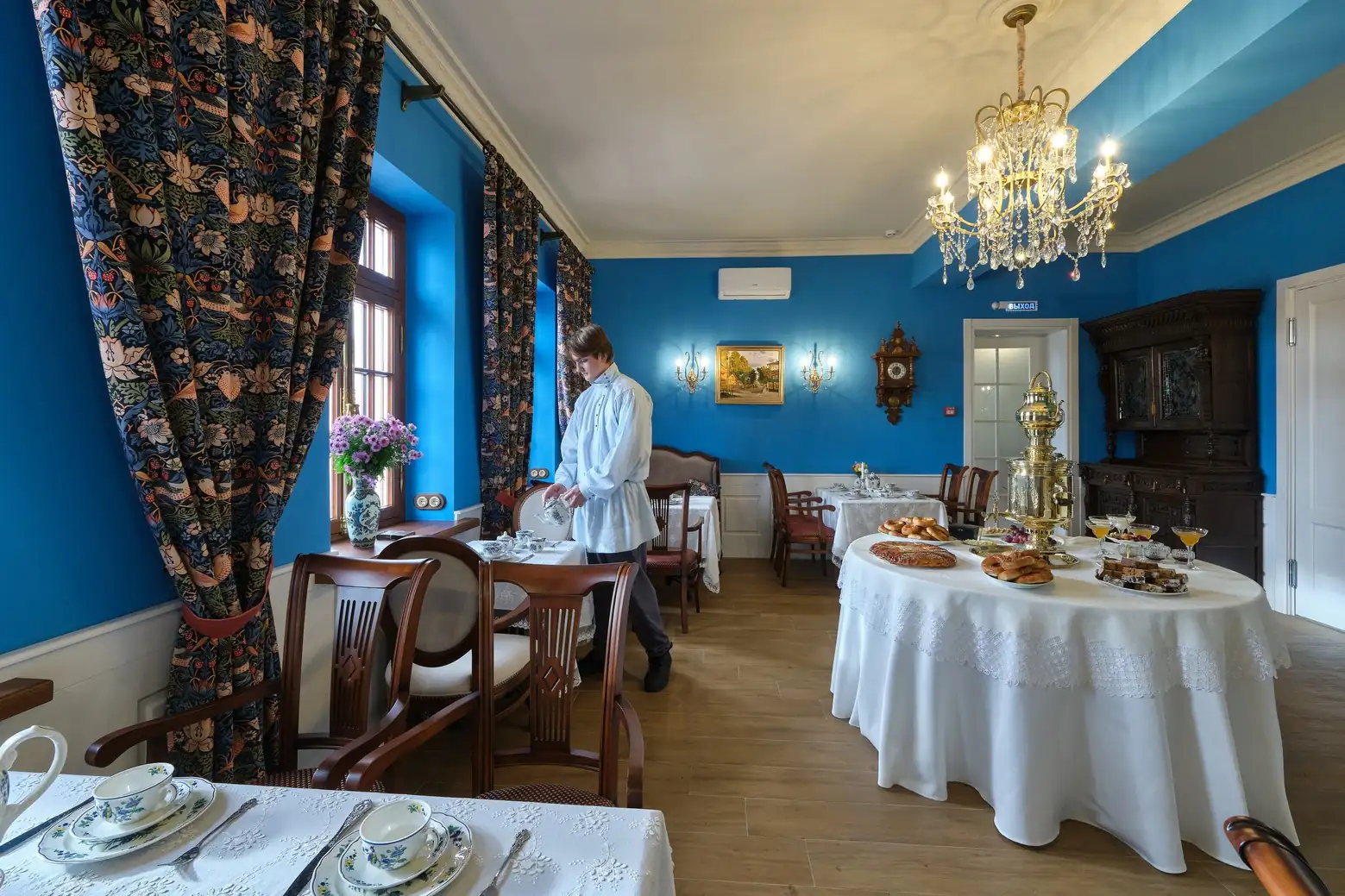
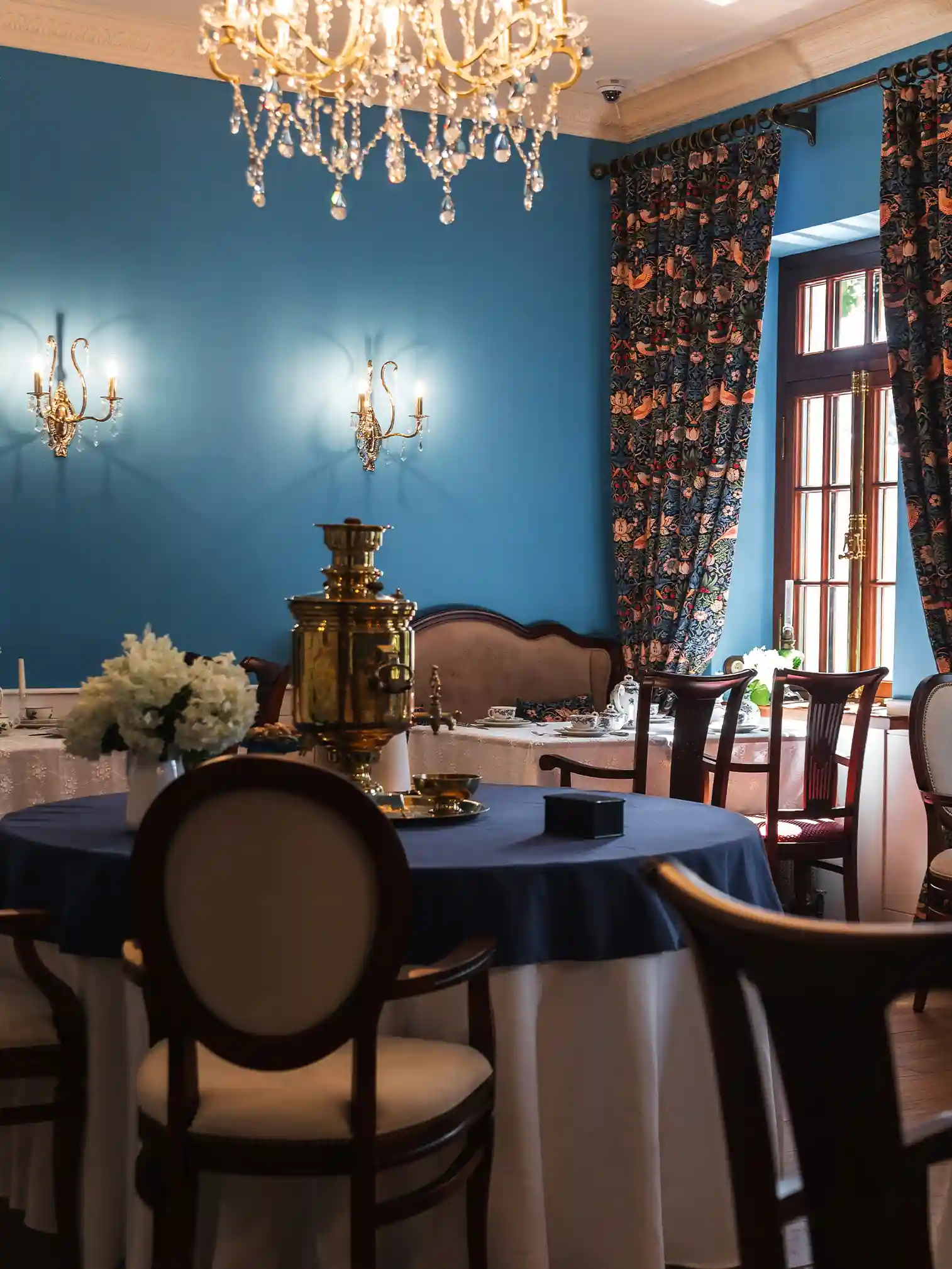
The space operates in the format of a gastronomic theatre. Here, visitors can embark on a culinary journey through time: try dishes from Dostoevsky’s works, experience a tavern lunch inspired by The Brothers Karamazov, or take part in a merchant-style tea ceremony. The atmosphere is supported by aged surfaces, warm wood, vintage tableware, retro details, and objects connected with the culture of a traditional
Staraya Russa feast.
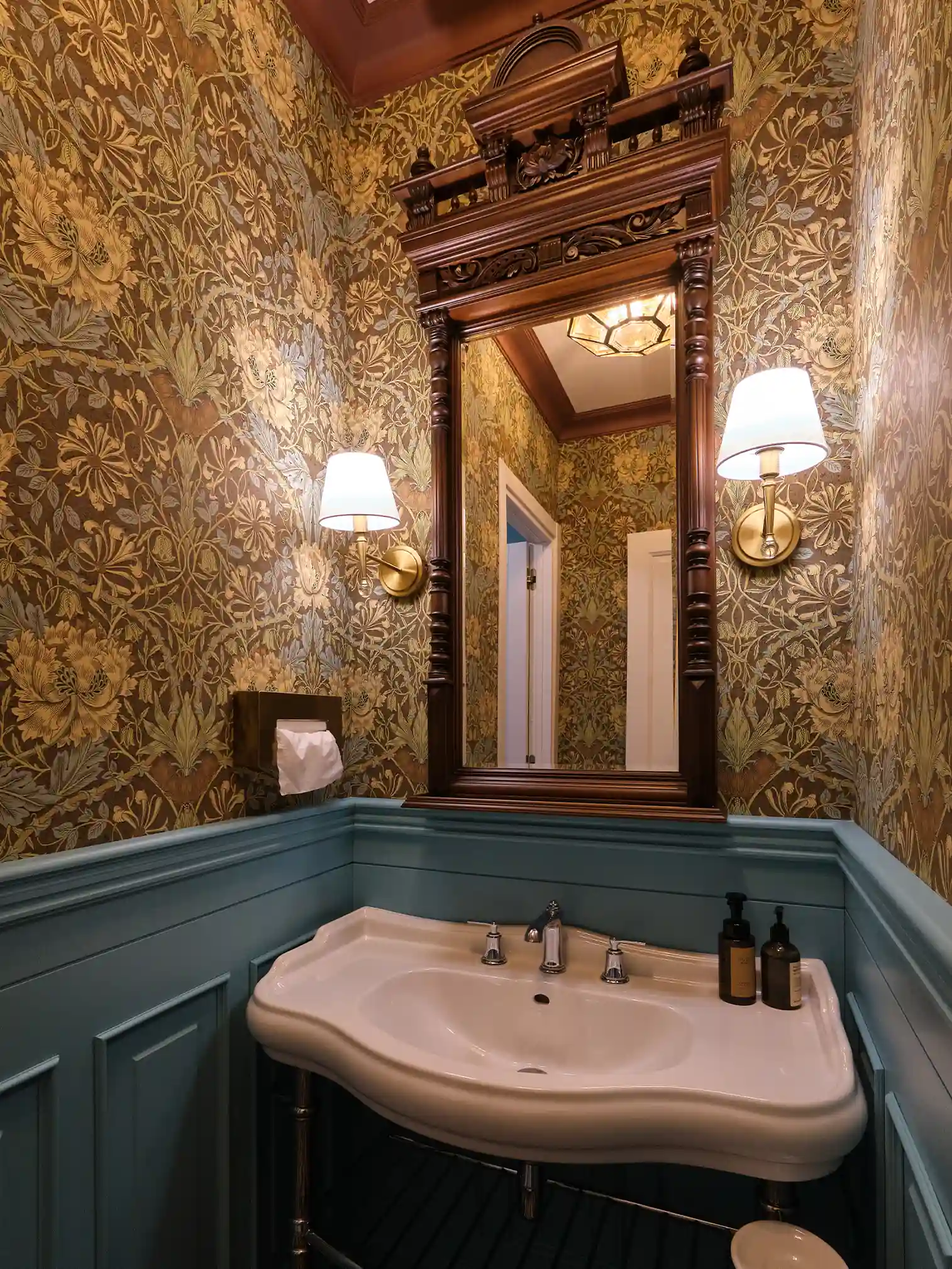
BOMAR developed the public spaces and technical zones of the gastronomic museum. The project brings together
a café, a museum format, and interior reconstruction.


Клиент
Экспертизы бюро

Project lead

Lead designer

Visualizer

Partners
Center for Integrated
Development